
-
MHI investigates cost implications of green hydrogen and ammonia produced in India
Date posted:
-
-
Post Author
Tracey Biller
-
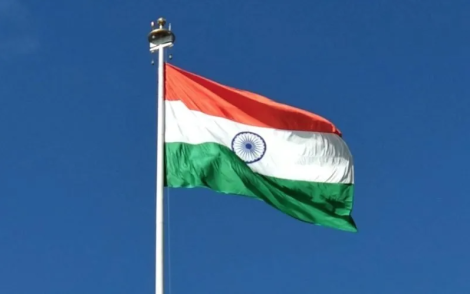
A study conducted by Mitsubishi Heavy Industries, Ltd. (MHI) has demonstrated that dramatic cost reductions can result from using Indian-produced green hydrogen and green ammonia in countries such as Singapore.
The study, titled the “Master Plan for the Optimal Facilities and Logistics Required to Export Green Hydrogen and Green Ammonia from India,” was conducted during 2023 under a programme commissioned by the Japanese Ministry of Economy, Trade and Industry (METI) with cost reduction in mind.
In the study, MHI analysed the economic viability of the value chain in a scenario where green ammonia is produced in India and used for both electricity and fuel bunkering in Singapore. The analysis was conducted based on production data and local information provided by cooperating partners such as Hygenco, an Indian developer of green ammonia. Hygenco is developing a green ammonia project in Odisha on the east coast of India and has annual production capacity of 1.1 million tons.
The results of the study indicated that if the overall value chain is optimised, dramatic cost reductions can be expected.
In a press statement issued after the results were obtained, MHI said that based on the study findings, MHI and operators in India and Singapore had discussed the issues to be addressed in order to achieve the full benefit of producing and using green hydrogen. MHI also engaged with the Indian and Singaporean governments to explain the need to establish a master plan governing production, demand creation, and distribution.
The company said it intends to continue discussions with governmental and business stakeholders within India and Singapore. Furthermore, the MHI Group will “continue to contribute to the realization of a carbon-neutral society by supporting the promotion of decarbonisation strategies and the implementation of related projects … focusing on areas such as the value chain for using decarbonised fuels.”