
-
AFRC 2026 Symposium Highlights: Advancing the Future of Industrial Combustion
Date posted:
-
-
-
Post Author
Greg Kelsall
-
-
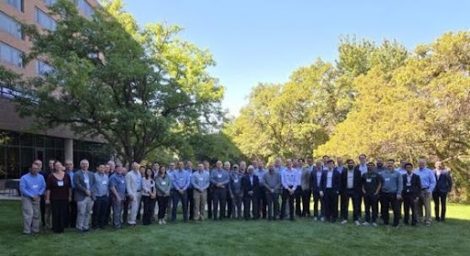
The American Flame Research Committee (AFRC) successfully hosted its 2026 Industrial Combustion Symposium bringing together combustion specialists, researchers, equipment suppliers, end users, and technology developers from across North America for three days of technical presentations, networking, and industry collaboration. David Schalles, Chair of the AFRC provided the following feedback on the Symposium, which was attended by over 50 delegates, including our own Sebastien Caillat, Vice President of the IFRF.
Papers from the symposium will be publicly available on AFRC.net after a 6 month period, together with access to the back-catalogue of previous AFRC Symposium papers.
Held on September 21-23 at the Salt Lake City Marriott University Park, the symposium featured more than twenty technical presentations covering emerging topics such as hydrogen combustion, ammonia-fired burners, ultra-low NOx technologies, flare system design, modelling (CFD), emissions reduction, and fuel-flexible industrial heating systems.
As outlined during the opening business session, AFRC continues to support its core mission of promoting cleaner, more efficient industrial combustion technologies while providing an open forum for sharing practical research and operating experience. The organization remains committed to advancing combustion science and helping industry address evolving energy, environmental, and operational challenges.
A major theme throughout the symposium was the industry’s transition toward fuel flexibility and decarbonisation. Several presentations explored hydrogen-fired systems, ammonia combustion, advanced burner development, and strategies for reducing emissions while maintaining reliable industrial process heating. Discussions also highlighted ongoing investments by the US Department of Energy and its network of National Laboratories in combustion research infrastructure and technology development.
The event also provided valuable opportunities for networking and collaboration. Attendees participated in the AFRC business meeting, technical discussions, and symposium dinner, fostering connections between experienced combustion professionals and the next generation of industry leaders. AFRC leadership emphasised the importance of knowledge sharing, active participation, and continued engagement as the combustion community addresses future energy challenges.
The 2026 symposium once again demonstrated the vital role that industrial combustion will continue to play in manufacturing, energy production, and process industries. With a strong focus on innovation, emissions reduction, and operational excellence, AFRC remains a valuable platform for advancing combustion technologies and supporting the professionals who develop and apply them.