
-
Solar surge halts rise in fossil generation
Date posted:
-
-
Post Author
Tracey Biller
-
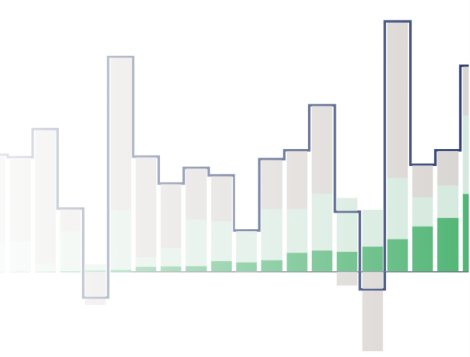
Global energy think tank Ember has published its seventh annual Global Electricity Review, providing the first comprehensive overview of changes providing the first comprehensive overview of changes in global and country-level electricity generation in 2025. The report analyses electricity data from 215 countries, including the latest 2025 data for 91 countries representing 93% of global electricity demand.
Key highlights from the report include the 75% share of global electricity demand growth met by solar power in 2025 and a -0.2% year-on-year change in fossil generation. The report also notes the 33.8% share of renewables in global power generation in 2025 – above a third for the first time, overtaking coal.
Solar power increased by a record 636 TWh to reach 2,778 TWh in 2025, a 30% increase from 2024, and the highest percentage growth solar has recorded in eight years. Doubling roughly every three years since 2022 (1,333 TWh), solar has grown more than tenfold in the decade since 2015, when global solar generation was just 256 TWh.
Solar overtook wind power for the first time globally in 2025 and drew close to nuclear power. Both solar and wind are expected to overtake nuclear in 2026.
The report notes the increase in battery storage deployment – a trend which is taking place in lockstep with the accelerating build-out of solar power. This increase is enabling a significant shift from daytime solar to anytime solar. In 2025, battery costs fell sharply for the second consecutive year. Following a 20% drop in 2024, battery costs fell a further 45% in 2025, while deployment grew 46% to an estimated 250 GWh. As a result, the world installed enough battery capacity to shift 14% of the new solar generation in 2025 from midday to other hours of the day.
The global fall in fossil generation was driven by a historic reversal in fossil trends in China and India, the largest and third-largest fossil power countries globally. 2025 was the first year this century when fossil generation fell in both countries, reducing by 0.9% in China and by 3.3% in India as a result of record clean power additions. This reversal came after four years of strong fossil increases following the economic rebound from the Covid-19 pandemic.
Coal power dropped 63 TWh (-0.6%) in 2025, marking the first fall since 2020. Combined with continued electricity demand growth, this meant coal fell below a third of global generation for the first time in history.