-
Innovation funding awarded for next phase of Northern Gas Networks hydrogen storage project
Date posted:
-
-
Post Author
Tracey Biller
-
![]()
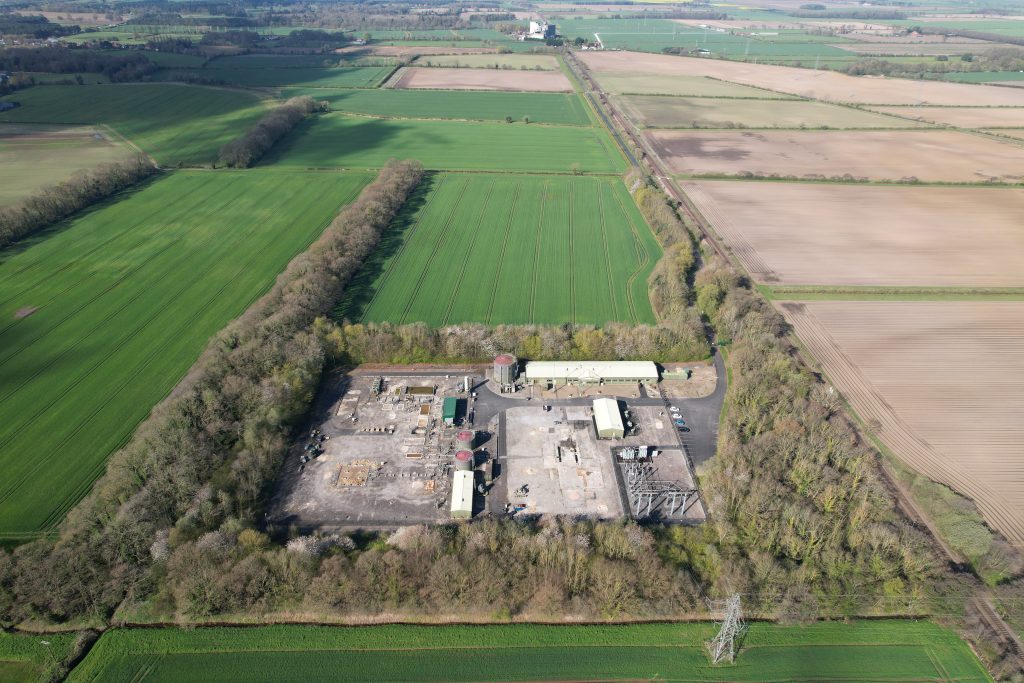
Northern Gas Networks (NGN) has been awarded further innovation funding to progress the Knapton H2 Storage for H2P project in North Yorkshire. The funding was received from the UK energy regulator.
Led by NGN in partnership with the British Geological Survey, Centrica, Ceraphi Energy, National Gas Transmission, the University of Edinburgh, and Wales & West Utilities, the project has recently emerged from a discovery phase which NGN says “increased understanding of geological hydrogen storage for power generation and energy system resilience.”
The new funding will enable the evaluation of practical near-surface and above-ground hydrogen storage options for Knapton – knowledge which NGN says “could support early deployment and make more effective use of renewable energy.” The project will also investigate how larger underground hydrogen storage facilities could support the UK’s future energy needs. That investigation will include the development of a Scalability and Adoption Plan using Knapton as a base case. Overall, the aim is to support wider deployment of hydrogen storage across a range of application in order to reduce the waste of renewable energy and accelerate the transition to low‑carbon gas systems.
Jarred Knott, NGN Energy Futures Project Manager, said: “Securing Alpha funding is an important milestone for the Knapton H2 Storage for H2P project. It reflects the strength of the work delivered during the Discovery phase. This next stage is focused on delivering practical solutions. Exploring options that can be implemented in the near term while also unlocking the deeper geological storage needed for long‑duration energy resilience.
“By addressing both technology and the planning and regulatory requirements for deployment, we are creating a clear pathway to scale hydrogen storage across the UK. This will enable a more flexible, secure and low‑carbon energy system, fit for the future.”